Turn Fear Into Faith: An Embroidery Design Review
As a designer who has spent years digitizing, testing, and reviewing assets for commercial embroidery businesses, I approach every new graphic with a specific question: will this actually stitch out well on fabric? When evaluating TURN FEAR into FAITH, my assessment goes beyond the inspirational message. While the sentiment is powerful and marketable, my primary concern as a product reviewer is how these vector lines translate into thread paths. This design arrives as a comprehensive digital package including high-quality JPG, editable AI, editable SVG, and transparent PNG files. For an Etsy seller or apparel decorator, having the editable AI and SVG formats is crucial because it allows us to modify the artwork before sending it to a digitizer or converting it into a machine embroidery design.
First Impressions and Visual Hierarchy
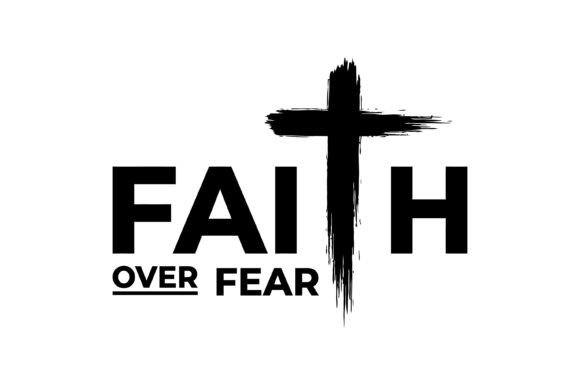
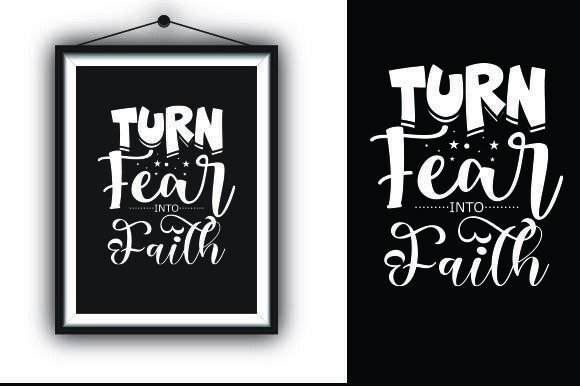
The visual personality of TURN FEAR into FAITH strikes a balance between bold typography and spiritual softness. In the world of T-Shirt Designs and Graphics, text-heavy art often risks looking stiff when converted to stitches. However, this layout appears to have enough negative space and flow to accommodate various stitch types. The phrase itself suggests a transformation, which gives us a creative opportunity to use contrasting textures in our embroidery project. Visually, the design feels at home on faith-based merchandise, mental health awareness apparel, and encouragement gifts. It does not feel overly cluttered, which is a major positive indicator for stitching clarity. A cluttered design often leads to puckering and registration issues, but the composition here seems respectful of fabric limitations.
Real-World Application: The Sweatshirt Test
To truly judge the viability of this asset, I mentally placed it in a real-life production scenario. Imagine preparing a custom embroidered sweatshirt for a boutique holiday collection. Sweatshirts are typically made of fleece or French terry, fabrics that have texture and stretch. When applying TURN FEAR into FAITH to this type of garment, the editable SVG file becomes your best friend. You may need to slightly thicken the lettering or adjust the spacing to ensure the satin stitch columns are wide enough to anchor securely into the fleece without sinking.
In this scenario, I would treat the words "FEAR" and "FAITH" differently to enhance the narrative. Perhaps "FEAR" is rendered in a muted grey running stitch or a lighter fill stitch to represent fading away, while "FAITH" utilizes a dense, glossy satin stitch in gold or white to symbolize strength and permanence. This level of customization is only possible because we received editable source files rather than a flattened image. For a handmade product intended as a personalized gift or small shop product, this thoughtful execution elevates the perceived value significantly above generic print-on-demand items.
Navigating Fabric Challenges and Stabilization
While TURN FEAR into FAITH is versatile, experienced makers know that placement matters. If you are planning baby embroidery on delicate onesies, you must exercise caution. The design likely contains areas of varying density. On thin cotton knits, heavy fill stitch sections can cause distortion. I always recommend testing the design on scrap fabric first with the exact stabilizer combination you intend to use for the final piece. For stretchy fabrics, a cut-away stabilizer is non-negotiable to maintain the integrity of the lettering after washing.
Conversely, if you are creating an embroidered patch or working with denim tote bags, the design’s bold nature is an advantage. Heavier fabrics like canvas and denim provide a stable foundation that supports higher stitch density. However, be mindful of detailed corners. Sharp serifs or intricate flourishes in the typography might require manual adjustment during the digitizing phase to prevent thread breaks or jagged edges. Always confirm hoop size compatibility before starting; resizing a complex text design too much can alter stitch angles and ruin the aesthetic.
Commercial Viability for Sellers and Makers
For the creative entrepreneur, TURN FEAR into FAITH offers strong commercial potential. Faith-based niches consistently perform well for Etsy sellers and craft business owners because they connect emotionally with buyers. The inclusion of a transparent PNG printable file is particularly valuable for creating professional mockups. Before you even thread your needle, you can place the design over photos of blank apparel to test market interest. This helps validate whether the colorway and placement resonate with your audience before investing time in sampling.
When listing finished products, emphasize the quality of the embroidery. Customers trust sellers who demonstrate expertise. By using the editable AI file to tweak the design for specific garments—perhaps widening it for a cap or condensing it for a sleeve—you show professionalism and brand consistency. Just remember to verify licensing terms regarding commercial embroidery and digital resale. While the files are editable, ensuring you have the right to sell the digitized version versus just the finished physical product protects your business long-term.
Technical Considerations for Digitizing Success
Since this product provides graphics rather than pre-digitized DST or PES files, the transition from screen to stitch requires technical diligence. When converting TURN FEAR into FAITH into a machine embroidery design, pay close attention to stitch direction. Text should generally follow the natural reading flow to reduce jump stitches and improve legibility. Check thread color contrast rigorously; what looks good on a backlit monitor may disappear on navy fabric. Use the high-quality JPG as a reference for color matching, but rely on your digitizing software to set appropriate pull compensation.
I also advise checking the design in black and white during the editing process. This strips away color bias and reveals structural weaknesses in the layout. Are the letters distinct? Is there adequate spacing between elements to prevent thread buildup? These questions determine whether the final embroidered patch or custom apparel item looks crisp or messy. For those selling digital embroidery files derived from this art, providing clear notes on recommended stabilizers and fabric types adds immense value to your customers and reduces support inquiries.
Final Thoughts on Project Selection
TURN FEAR into FAITH is more than just a motivational quote; it is a flexible design asset that rewards careful preparation. Its strength lies in its adaptability across different mediums, from nursery decor and pillow covers to commercial apparel and holiday gifts. The provision of editable AI and SVG formats empowers designers to tailor the artwork to the specific constraints of embroidery, rather than forcing fabric to conform to a rigid graphic.
Whether you are a hobbyist making a meaningful gift or a business owner expanding your catalog, success with this design depends on respecting the relationship between digital art and physical thread. Test your tension, choose your stabilizer wisely, and leverage the editable files to create something truly unique. When executed with this level of care, TURN FEAR into FAITH transforms from a simple graphic into a tangible source of comfort and inspiration that customers will cherish. Always prioritize a test run on similar fabric texture to ensure your stitch density and hooping strategy yield the professional results your brand deserves.