Faith Love Hope Blessed Cross: An Embroidery Review
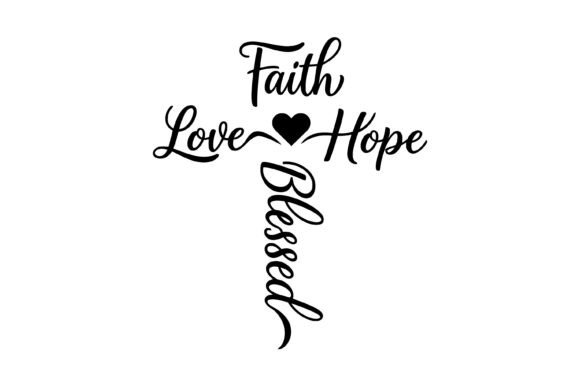
When evaluating a new machine embroidery design for commercial or personal use, I always look beyond the digital preview to imagine how the stitches will actually sit on fabric. The Faith Love Hope Blessed Cross design immediately catches the eye as a versatile piece of Christian art that balances traditional symbolism with a softer, handwritten aesthetic. As a designer who frequently creates custom apparel and personalized gifts, I see this graphic not just as a religious icon, but as a flexible layout that can adapt to various textile projects. The combination of the cross structure with script elements suggests a design that relies heavily on clean lines and balanced spacing, which is crucial when translating vector graphics into thread.
First Impressions and Design Personality
The visual mood of this design is undeniably warm and inspirational. Unlike rigid, blocky religious symbols that can sometimes feel austere, the inclusion of handwritten-style script for "Faith," "Love," and "Hope" softens the overall composition. This makes it particularly suitable for items intended as comfort objects or sentimental gifts. From a technical perspective, the integration of text within or around a central cross shape requires careful attention to stitch density. If the lettering is too dense, it risks puckering lightweight fabrics; if it is too sparse, it may lack definition on textured materials. The design feels modern yet timeless, positioning it perfectly for boutiques targeting customers who appreciate subtle, faith-based aesthetics rather than overt branding.
Real-World Application: Stitching a Custom Sweatshirt
To truly test the viability of this embroidery file, I recently approached it with a specific project in mind: a custom embroidered sweatshirt for a small shop holiday collection. Sweatshirts present unique challenges due to the fleece backing and stretchy knit face. When hooping for this project, I found that the vertical orientation of the Faith Love Hope Blessed Cross works exceptionally well on the chest area, aligning naturally with the garment's grain.
During the stitching process, the transition between the cross element and the script text was the critical moment. For this application, I opted to use a satin stitch for the lettering to ensure legibility against the fuzzy texture of the sweatshirt. The design’s layout allowed for adequate jump stitch management, minimizing post-stitch trimming time—a massive factor for production efficiency in a craft business. The finished product had a professional, boutique-quality appearance because the design wasn't overcrowded. Customers responded positively to the readability of the quote, confirming that the balance between artistic flair and functional clarity was successful. This real-life test proved that the graphic translates effectively from a digital PNG or EPS file into a tangible, high-value handmade product.
Ideal Projects for Faith-Based Apparel and Decor
Based on my evaluation, this design shines in several specific categories. It is naturally suited for T-shirt designs, where the lightweight fabric demands a digitizing style that isn't overly heavy. However, its utility extends far beyond standard apparel. Consider the following applications where this design adds significant value:
- Baby Embroidery: The gentle script makes this appropriate for nursery blankets or bibs, provided the stitch count is verified to be low enough for delicate skin.
- Tote Bag Design: Canvas totes provide a stable base for detailed script, making the inspirational message crisp and readable for daily use.
- Holiday Embroidery: This serves as an excellent motif for Christmas or Easter gifts, bridging the gap between seasonal decor and evergreen faith statements.
- Kitchen Textiles: Tea towels and aprons benefit from the vertical aspect ratio, allowing the design to fit neatly above a hem or pocket without distorting the fabric drape.
For Etsy sellers and creative entrepreneurs, offering this design across multiple product types maximizes the return on your design assets. The versatility allows you to create cohesive collections where the same motif appears on a cap, a pillow cover, and a matching shirt, strengthening brand consistency.
Technical Cautions and Fabric Considerations
While the Faith Love Hope Blessed Cross is adaptable, it is not immune to embroidery physics. There are specific scenarios where caution is required. Small hoop sizes can be problematic if the design contains intricate inner details in the script; reducing the size too much may cause the letters to merge or become illegible. Always check the minimum recommended dimensions before resizing. Additionally, dark fabrics require careful thread color selection. A white or cream thread on navy fabric offers classic contrast, but metallic threads, while beautiful, can sometimes obscure fine script details due to light reflection and thickness.
Stretchy fabrics like jersey knits demand proper stabilizer usage. Without adequate cut-away or tear-away support, the weight of the fill stitch or satin columns can distort the cross shape, causing the "Blessed" text to wave or pucker. I also advise testing the design on curved surfaces like caps before committing to bulk production. The vertical alignment that works so well on flat sweatshirts may need adjustment or specialized hooping techniques to prevent distortion on a curved visor brim. Finally, for products requiring frequent washing, such as baby clothes or kitchen linens, ensure all thread ends are securely locked and the stabilizer is fully removed to maintain the design's integrity over time.
Enhancing Product Value and Customer Trust
The quality of your embroidery directly influences perceived value. A cleanly stitched version of this design signals professionalism and care, which builds customer trust. When listing finished products online, using the included transparent PNG or JPEG files for printable mockups helps buyers visualize the final result accurately. However, nothing replaces photos of actual stitched samples. Showing the design on real fabric demonstrates that you understand stitch density and fabric texture, reassuring buyers that they are purchasing a durable handmade product rather than a cheap print.
Furthermore, the inspirational nature of this content carries emotional weight. Buyers looking for faith-based items are often seeking connection and meaning. Ensuring the Faith Love Hope Blessed Cross is executed with precision honors that sentiment. Sloppy registration or thread breaks can detract from the spiritual message, whereas impeccable craftsmanship elevates it. This attention to detail is what separates a hobbyist output from a sustainable commercial embroidery business.
Essential Designer Notes Before You Stitch
Before loading this embroidery file into your machine, take these practical steps to ensure success. First, verify the licensing terms included with your download. While you have received SVG, PDF, JPEG, PNG, and editable EPS formats, confirm whether your purchase allows for selling physical embroidered items versus reselling the digital file itself. Second, always run a test stitch on scrap fabric that matches your final project’s weight and weave. Check thread color contrast under natural lighting, as indoor lighting can be deceptive.
Review the stitch density settings in your editing software if you have access to the editable EPS. You may need to adjust compensation settings depending on whether you are using a running stitch for outlines or a fill stitch for the body of the cross. Compare the design on both light and dark backgrounds digitally to plan your thread palette effectively. Lastly, remember that file formats like SVG and EPS are vectors, not native embroidery files. You will likely need to digitize or convert them for your specific machine unless pre-digitized formats were also included in your package. Taking these preparatory steps ensures that your Faith Love Hope Blessed Cross project results in a beautiful, professional finish that delights clients and showcases your skills as a maker.