Rooted in Christ Faith Design Review
When evaluating a new machine embroidery design for commercial or personal use, my first question is always about versatility. As a designer who regularly creates custom apparel and personalized gifts for clients, I need graphics that translate well from screen to stitch. The Rooted in Christ Faith Design immediately caught my attention because it balances spiritual symbolism with clean typography. In the crowded market of Christian merchandise, finding a layout that feels modern yet reverent is essential for any Etsy seller or small shop product line.
This review breaks down how this specific graphic performs in real-world embroidery projects. Whether you are preparing a sweatshirt embroidery run for a church retreat or designing a nursery item for a boutique, understanding the practical application of these design assets is crucial before you commit thread to fabric.
Visual Balance and Typography Assessment
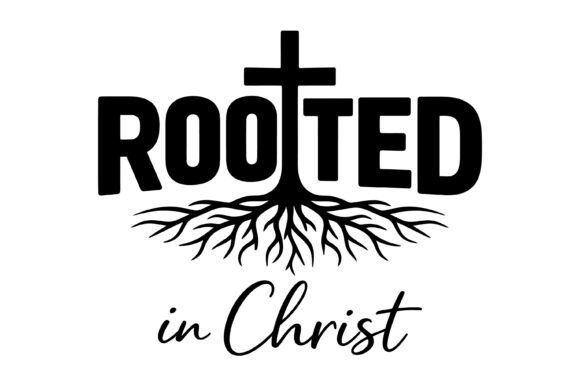
The strength of the Rooted in Christ Faith Design lies in its integration of text and symbol. Many faith-based graphics suffer from cluttered layouts where the cross, roots, and lettering compete for attention. Here, the hierarchy feels intentional. The typography appears legible at various sizes, which is a non-negotiable factor for me. If the font is too ornate, satin stitch columns can merge during production, rendering the message unreadable on smaller items like baby embroidery onesies or cap fronts.
From a graphic design perspective, the "roots" element adds necessary visual weight to the bottom of the composition. This anchors the design, making it ideal for center-chest placement on custom apparel or as a focal point on a tote bag design. For those working with digital embroidery file formats like SVG or EPS, having editable vectors means you can adjust the spacing or simplify elements if your hoop size requires modification. Always verify that the vector points are clean before converting to stitches to avoid unnecessary jump stitches or registration issues.
Real-World Application: The Custom Sweatshirt Test
To truly judge this design, I mentally walked through a recent client request: a batch of heavyweight cotton sweatshirts for a women’s ministry group. This scenario tests the design's limits regarding stitch density and fabric texture. Heavyweight fleece has a pile that can swallow fine details. With the Rooted in Christ Faith Design, the bold lines suggest it would hold up beautifully against textured fabrics, provided you use adequate stabilizer.
For this type of commercial embroidery project, I would recommend testing the design on a scrap of similar fleece first. Check if the fill stitch areas are dense enough to cover the fabric grain without becoming bulletproof. A design that is too dense will cause puckering on stretchy knit fabrics, while one that is too sparse will look cheap. This graphic seems to strike a balance suitable for apparel decorators, but running a sew-out test confirms whether the running stitch outlines align perfectly with the fill areas after the fabric shifts in the hoop.
Fabric Compatibility and Stabilizer Strategy
Not every embroidery project uses stable cotton. When applying this design to different substrates, your approach must adapt. Here is how I assess compatibility based on the design contents:
- T-Shirts and Knits: Use a cut-away stabilizer to prevent distortion. The vertical orientation of the roots and cross works with the grain of most jersey knits, reducing the risk of tunneling between stitch columns.
- Tote Bags and Canvas: These stable fabrics are forgiving. You can likely use a tear-away stabilizer. Ensure the design size fits within your maximum hoop size without requiring excessive repositioning, which can lead to alignment errors.
- Baby Items and Blankets: Softness is paramount. If the stitch count is high due to detailed shading in the roots, consider using a lighter weight thread or reducing density in your digitizing software to keep the finished product comfortable against sensitive skin.
- Caps and Curved Surfaces: Be cautious. Vertical designs can be tricky on curved cap fronts. You may need to resize or rotate elements of the Rooted in Christ Faith Design to accommodate the limited vertical stitching area of a hat frame.
Always check thread colors against your chosen fabric background. Dark fabrics require higher contrast thread or potentially a white underlay base to make the colors pop. Light fabrics allow for more subtle, tonal stitching that can elevate the perceived value of a handmade product.
Navigating File Formats and Editing Capabilities
Receiving this design in SVG, PDF, JPEG, PNG Transparent, and EPS Editable formats offers significant flexibility for creative entrepreneurs. However, remember that these are primarily graphic formats. Unless a specific machine embroidery file (like DST, PES, or EXP) is included, you or your digitizer must convert these vectors into stitches.
The EPS Editable format is particularly valuable for apparel decorators who want to customize the design before digitizing. Perhaps you want to add a specific church name below the roots or change the font style to match your boutique branding. Having source vectors allows for these modifications without losing quality. For Etsy sellers creating printable mockups, the transparent PNG is indispensable for showcasing how the final embroidered patch or shirt will look without producing physical samples first.
Commercial Viability and Customer Appeal
Does this design sell? Based on current trends in faith-based merchandise, yes. There is a sustained demand for organic, nature-inspired spiritual imagery over generic clip art. The "rooted" concept resonates with buyers looking for meaningful personalized gifts rather than mass-produced religious items. For small business owners, this design has strong potential for holiday embroidery seasons, particularly Easter or Christmas, as well as year-round nursery decor.
However, professionalism dictates that you confirm licensing before selling finished products. While the description lists the file types, it does not explicitly state commercial usage rights for physical goods or digital resale. Always clarify this with the original creator. Protecting your craft business starts with respecting intellectual property. Assuming you have the right to use it, ensure your product photography highlights the texture of the stitches. Customers trust sellers who show actual sew-outs rather than just digital renderings.
Practical Designer Notes for Success
Before adding the Rooted in Christ Faith Design to your inventory or production queue, keep these technical considerations in mind:
- Test Stitch Density: Even if the graphic looks perfect on screen, embroidery physics differ. Verify that text elements remain open and legible after stitching.
- Check Hoop Size Requirements: Measure the design dimensions carefully. If it exceeds your standard 4x4 hoop, plan for a larger hoop or split the design professionally.
- Evaluate Washability: If intended for kitchen towels or baby clothes, ensure the stitch type can withstand frequent laundering. Satin stitches should be secured properly to prevent fraying.
- Mockup Verification: Use the provided JPEG and PNG files to create realistic previews for your online listings. This reduces return rates by setting accurate customer expectations.
- Thread Palette Selection: Choose thread colors that complement the fabric, not just the screen image. Variegated threads can add beautiful depth to the root system but test first to ensure color changes don't obscure details.
Ultimately, the Rooted in Christ Faith Design offers a solid foundation for meaningful embroidery projects. Its success depends entirely on your execution. By treating it as a professional asset requiring proper testing, stabilization, and finishing, you transform a simple graphic into a cherished finished product that reflects both faith and craftsmanship.