God is Good Faith Badge: An Embroidery Review
As a professional designer and product reviewer, I approach every new digital asset with a critical eye toward production viability. When evaluating the God is Good Faith Badge, my primary concern is not just the aesthetic appeal of the typography or religious symbolism, but how this graphic translates from a screen to a tangible, stitched reality. For embroidery designers, Etsy sellers, and apparel decorators, a beautiful vector file means nothing if it causes registration issues on stretchy knits or loses legibility on textured fabrics. This review breaks down the practical application of this design for real-world T-Shirt Designs and faith-based merchandise.
First Impressions: Typography Meets Stitch Logic
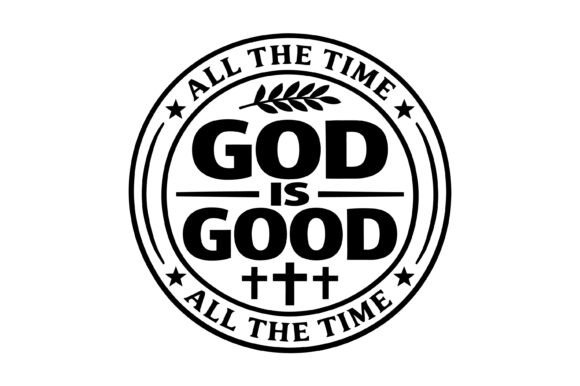
Upon opening the editable EPS and SVG files, the first thing I assess is the structural integrity of the lettering. The God is Good Faith Badge features a balanced composition that integrates spiritual typography with symbolic elements like the cross. From a digitizing perspective, the layout feels intentional rather than cluttered. The spacing between characters appears adequate for conversion into satin stitches or column fills, which is crucial for maintaining clarity at smaller sizes.
The mood of this design is uplifting yet grounded. It avoids overly ornate script that often plagues religious graphics, opting instead for cleaner lines that suggest durability. This visual personality makes it versatile; it does not look exclusively like a church bulletin header nor a trendy boutique logo. Instead, it sits comfortably in the middle ground, making it suitable for both traditional congregational wear and modern Christian lifestyle products. As a set of Graphics, the inclusion of transparent PNGs allows for immediate use in printable mockups, helping you visualize the final embroidered patch or print before committing thread to fabric.
Real-World Application: Stitching a Custom Sweatshirt
To truly evaluate this machine embroidery design, I mentally walked through a recent client project involving custom crewneck sweatshirts for a women’s ministry retreat. Sweatshirt fleece is notorious for hiding fine details due to its pile, so I had to consider how the God is Good Faith Badge would perform on this specific substrate.
In this scenario, the badge format works exceptionally well as a left-chest placement. Because the design consolidates text and imagery into a unified shape, it creates a natural boundary that helps with hooping alignment. When converting this graphic for embroidery, I would recommend using a slightly heavier weight stabilizer, such as a medium-weight cutaway, to prevent the design from sinking into the fleece. The typography in this file lends itself well to a combination of fill stitches for larger letters and satin stitches for borders. If you are creating an applique design variation, the outer shape of the badge provides a perfect guide for placing felt or cotton fabric, reducing stitch count while adding tactile texture that customers love in handmade products.
For small shop owners, this specific use case highlights value. A well-executed sweatshirt embroidery project using this badge communicates professionalism. The cohesive shape ensures that even if the garment shifts slightly during washing, the design maintains its structural recognition, preserving customer trust in your brand quality.
Navigating Fabric Challenges and Hoop Limitations
While the God is Good Faith Badge is versatile, experienced makers know that no design is universally bulletproof. There are specific environments where this artwork requires careful handling.
- Stretchy Knits and Ribbing: If applying this to a baby onesie or a ribbed tank top, the density of the badge shape can cause tunneling. You must test stitch density and potentially reduce underlay stitches to maintain fabric drape.
- Curved Surfaces: When adapting this for cap embroidery, the horizontal spread of the badge may need distortion correction. Caps have a limited vertical sewing field, and the bottom curve of the badge could push against the brim seam.
- Textured Linens: For tea towels or pillow covers made of slub linen, fine running stitch details within the cross or smaller text elements may get lost. Consider increasing stitch width or simplifying internal details for these rustic applications.
- Dark Fabrics: While the provided JPEG and PNG previews help, always verify contrast. White thread on navy is classic, but if the badge relies on subtle shading or tone-on-tone effects, those nuances will vanish in embroidery. High-contrast thread colors are non-negotiable for legibility.
Additionally, be mindful of hoop size limitations. While the vector files are scalable, embroidery machines have physical boundaries. Scaling the God is Good Faith Badge up for a large tote bag design is generally safe, but scaling it down for a baby bib requires checking that the smallest text remains above 4mm in height to prevent thread breaks and illegibility.
Commercial Viability and Product Value
For creative entrepreneurs and digital product sellers, the commercial utility of this asset extends beyond a single stitch-out. The inclusion of multiple formats (SVG, PDF, EPS, PNG) streamlines workflow across different platforms. You can use the transparent PNG to create high-quality listing photos for Etsy without needing to photograph a physical sample immediately. This accelerates time-to-market for new holiday embroidery collections or personalized gift listings.
From a branding perspective, the God is Good Faith Badge offers consistency. If you run a craft business focused on faith-based goods, having a recurring visual motif builds brand recognition. Whether applied as an embroidered patch on denim jackets or printed on nursery decor, the consistent typography reinforces your shop's identity. Customers begin to associate that specific badge style with your quality of work, which directly influences buyer engagement and repeat sales.
However, value is also determined by finish quality. A poorly stabilized badge looks cheap regardless of the design's inherent beauty. Investing time in proper testing elevates the perceived value of the finished product. When a customer receives a custom apparel item where the badge lies flat, has crisp edges, and shows no puckering, they perceive it as a premium boutique item rather than a homemade craft.
Essential Designer Notes Before Production
Before you load this embroidery file into your machine or list it as a digital download, adhere to these professional best practices:
- Verify Licensing: Always confirm the specific commercial license terms included with your purchase. Ensure you are permitted to sell finished physical products versus digital files, as these rights often differ.
- Test on Scrap Fabric: Never stitch the final version of the God is Good Faith Badge on a client’s garment first. Use a scrap piece of the exact same material and stabilizer combination to check tension and registration.
- Check Thread Color Contrast: View your thread selection in natural light. What looks distinct on a backlit monitor may blend together in ambient lighting. This is vital for multi-color religious symbols.
- Review Stitch Density: If digitizing this yourself from the vector art, avoid over-densifying. Modern embroidery software allows for variable density; use lighter fills for large areas to keep the garment soft.
- Mockup Validation: Use the provided assets to create black-and-white mockups alongside color versions. This helps identify whether the design relies too heavily on color differentiation to be readable.
- Confirm Hoop Compatibility: Measure the actual dimensions of the design after resizing. Ensure it fits within your machine’s maximum sewing area with adequate clearance for the presser foot.
The God is Good Faith Badge represents a strong intersection of meaningful content and functional design structure. By respecting the technical requirements of embroidery and leveraging the versatility of the provided file formats, makers can transform this graphic into enduring, high-quality products that resonate deeply with their audience. Whether for a personal act of faith or a cornerstone of your small business inventory, this design holds up under the scrutiny of professional production standards.